
Defending Against Ticks: A Comprehensive Guide to Tick Season and Essential Oil Repellents
As spring emerges and nature reawakens, so too do the ticks, those minuscule yet menacing creatures that can wreak havoc on our health and outdoor enjoyment. Understanding the intricacies of tick season is crucial for safeguarding ourselves and our loved ones from the potential dangers they pose.
In this comprehensive guide, we delve deep into the world of ticks, exploring their emergence across the United States, their habitats, lifecycle stages, associated diseases, and the efficacy of natural bug repellents as a safer alternative to conventional options.
The Emergence of Ticks Across the United States
Tick season varies across different regions of the United States, influenced by climate, geography, and local environmental factors. Generally, tick activity peaks during the warmer months, from early Spring to late Fall. However, the specific timing and intensity of tick activity can vary significantly by region.
- In the Northeast and Midwest, tick season typically peaks in late Spring and early Summer, coinciding with rising temperatures and increased outdoor activity.
- In the South and West, where milder winters prevail, ticks may remain active year-round, with peak activity occurring during the Spring and Summer months.
For more detailed information on tick activity in your area, consult local health departments or tick surveillance programs.
Understanding Tick Habitats
Ticks are commonly found in wooded areas, grassy fields, and shrubby landscapes where they can easily latch onto passing hosts. They thrive in environments with ample vegetation and moisture, providing them with the ideal conditions for survival and reproduction.
Wooded areas: Ticks favor densely wooded regions with abundant leaf litter and undergrowth, providing them with shelter and protection.
Grasslands and meadows: Open grassy fields and meadows also serve as prime habitats for ticks, especially in areas frequented by wildlife.
Urban and suburban environments: Ticks can also be found in residential areas, particularly in yards with tall grass, shrubs, and leaf piles.

To minimize exposure to ticks, take precautions such as wearing protective clothing, using insect repellents, and performing thorough tick checks after outdoor activities.
The Lifecycle of Ticks
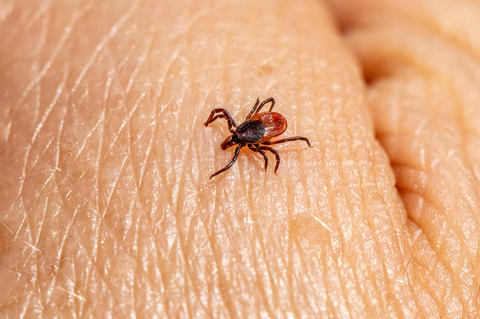
Ticks undergo four distinct stages in their lifecycle: egg, larva, nymph, and adult. Each stage requires a blood meal to progress to the next, with different species exhibiting varying lifecycles and feeding habits.
Egg: Female ticks lay hundreds to thousands of eggs in a single batch, usually in protected environments such as leaf litter or soil.
Larva: After hatching from eggs, tick larvae seek out a host for their first blood meal, often small mammals or birds.
Nymph: Once engorged, larval ticks molt into nymphs and seek another blood meal to fuel their development. Nymphs are particularly concerning as they are small and difficult to detect, yet capable of transmitting diseases to humans and animals.
Adult: After feeding, nymphs molt into adult ticks, which then mate and lay eggs, completing the lifecycle.
Understanding the lifecycle of ticks is essential for implementing effective control measures and reducing the risk of tick-borne diseases.
Diseases Carried by Ticks
Ticks are notorious vectors of various pathogens, including bacteria, viruses, and parasites, capable of causing a range of debilitating diseases in humans and animals. Among the most common tick-borne illnesses in the United States are:
- Lyme disease: Caused by the bacterium Borrelia burgdorferi, transmitted primarily by the black-legged tick (Ixodes scapularis) in the northeastern and upper midwestern regions of the United States. Lyme disease can lead to flu-like symptoms, joint pain, neurological complications, and long-term health issues if left untreated.
- Rocky Mountain spotted fever (RMSF): Caused by the bacterium Rickettsia rickettsii, transmitted by various tick species, including the American dog tick (Dermacentor variabilis) and the Rocky Mountain wood tick (Dermacentor andersoni). RMSF can cause fever, rash, headache, and organ damage if not promptly treated.
- Babesiosis: Caused by parasites of the genus Babesia, transmitted primarily by the black-legged tick. Babesiosis can cause flu-like symptoms, anemia, and complications in immunocompromised individuals.
- Ehrlichiosis and Anaplasmosis: Caused by bacteria of the genera Ehrlichia and Anaplasma, respectively, transmitted by various tick species. These diseases can result in fever, headache, muscle aches, and in severe cases, organ failure.
For more information on tick-borne diseases, visit reputable sources such as the Centers for Disease Control and Prevention (CDC) and the TickEncounter Resource Center.
Plant-Based Bug Repellents: Harnessing the Power of Essential Oils
Essential Oil bug repellents offer an effective alternative to conventional options, utilizing plant-based ingredients to deter ticks and other pests. Essential oils, derived from aromatic plants, contain compounds that repel insects while offering additional benefits for skin health and well-being.
Clove Oil: Clove oil, extracted from the cloves of the Syzygium aromaticum tree, has been shown to possess significant repellent properties against ticks and other insects. Its strong aroma acts as a natural deterrent, making it an effective ingredient in natural bug repellents.
Research: Studies have demonstrated the efficacy of clove oil as a tick repellent, with one study showing a 100% repellency rate against nymphal Ixodes scapularis ticks.
For example, Nantucket Spider's Extra Strength Tick Repellent repelled 92% of deer ticks in independent laboratory tests and only uses essential oils, water, and glycerin in their formula.